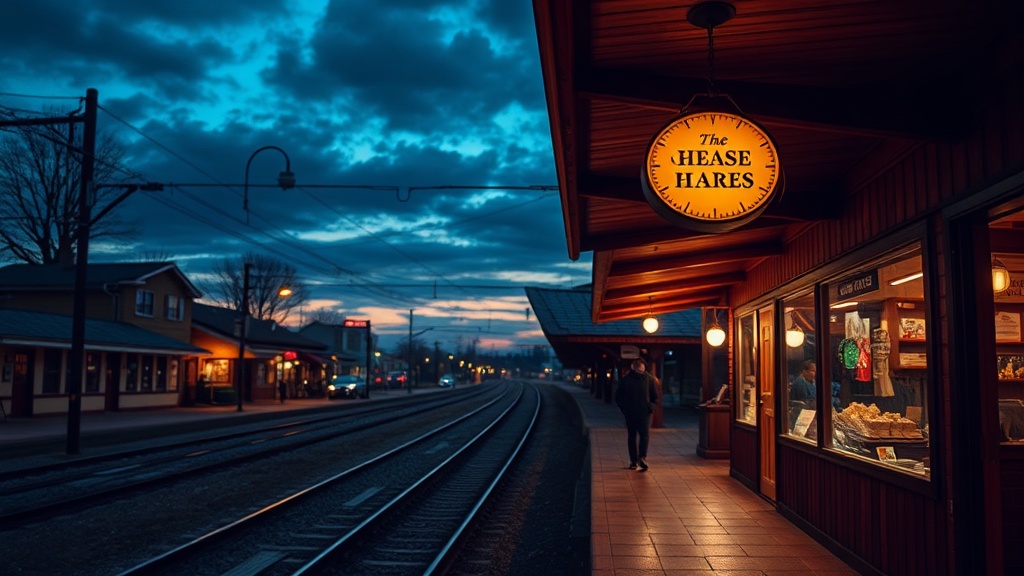
Exploring Local Flavors at Small-Town Rail Stops

The Morning Pastry Run
Midday Market Exploration
The Hidden Bistro Near the Platform
The scent of woodsmoke and fresh sourdough hits you the moment the train doors hiss open at a quiet station in the Vermont countryside. This post explores how to identify and find the best local food and artisanal goods at small-town rail stops. Instead of sticking to the dining car, you'll learn how to plan your stops to experience authentic, regional flavors that you simply can't find in a station cafe.
Rail travel often feels like a trade-off between convenience and authenticity. You want the comfort of a seat on a line like Amtrak, but you crave the real stuff—the local cheese, the small-batch honey, or the bakery that only opens when the morning fog lifts. That's the problem with many major hubs; they offer standardized, mass-produced snacks that taste exactly the same in Montreal as they do in New York.
To get the real experience, you have to look beyond the platform-side vending machines. You need to time your disembarkation or your station layovers around local business hours and regional specialties.
How Can I Find Local Food Near Small-Town Train Stations?
The best way to find local food is to research the "Main Street" area within a ten-minute walk of your station stop. Most small-town stations in North America are located near the historic center of the town, meaning the best food is often just a short stroll from the platform.
Don't just look at the station itself. Look at the town's local registry or a site like Wikipedia to see what the region is famous for. If you're stopping in a town known for apples, don't bother looking for a gourmet burger; look for the cider mill. If you're in a coastal stop, look for the fish monger near the docks.
A few tips for your search:
- Check Google Maps ahead of time: Search for "bakery" or "farm stand" near the specific station name.
- Look for "Farmer's Market" schedules: Many small stops host markets on specific days (usually Saturday mornings).
- Ask the conductor: They are often locals who know exactly where the best coffee or pastry shop is located.
It's a bit of a game, really. You might have to walk a few blocks, but the reward of a warm, handmade pastry is worth the extra effort.
What Are the Best Regional Specialties to Look For?
Regional specialties vary wildly depending on whether you are traversing the Appalachian mountains or the rolling hills of the Midwest. You should look for items that are deeply tied to the geography of the stop.
For example, if you are traveling through the Pacific Northwest, look for specific artisanal preserves or local coffee roasters. If you are on a route through the South, a local BBQ stand near a station is often a better bet than any meal service on the train. I've found that the most memorable meals happen when I stop looking for "food" and start looking for "heritage."
Here is a quick guide to what to look for based on the region you are traversing:
| Region | Typical Local Find | Best Time to Visit |
|---|---|---|
| New England | Maple syrups and local cider donuts | Autumn mornings |
| Midwest | Fresh dairy and artisan cheeses | Summer afternoons |
| Pacific Northwest | Berries and roasted coffee beans | Year-round |
| South | Peach preserves and regional BBQ | Late Summer |
If you're worried about how to carry these items back onto the train, remember that most local goods are shelf-stable. If you're buying something delicate, you might want to check out my previous post on keeping your gear ready to ensure your bag is organized and your food is protected.
The "Quick Stop" Strategy
You don't always have time for a full lunch. Sometimes you only have a 20-minute layover. In these cases, look for "grab-and-go" items from local vendors near the station entrance. A local bakery often has high-quality pastries that are much better than the pre-packaged muffins found in the station kiosk. It's a small change, but it makes a huge difference in your overall experience.
Is It Worth the Extra Cost to Eat Locally?
Yes, it is absolutely worth it if you value the quality and the story behind the food. While a station sandwich might cost $8, a local artisan loaf or a piece of regional cheese might cost $12—but the difference in flavor and satisfaction is massive.
Think of it as an investment in your travel experience. You aren't just buying calories; you're buying a piece of the culture. This is especially true if you are traveling on a long-distance route where dining car options are limited or repetitive. If you're on a budget, you can still participate by looking for local bakeries or fruit stands rather than full-service restaurants. You can learn more about budget-friendly eating in my guide on how to eat well without draining your wallet.
One thing to keep in mind: local shops have different hours than major transit hubs. A shop might close at 4:00 PM, even if the train station stays open until midnight. Don't rely on the station's schedule; rely on the town's schedule.
Sometimes, the best way to experience a place is to step off the platform and walk toward the smell of fresh bread. It might be a little more work to carry a bag of local goods back onto the train, but it turns a standard trip into a culinary adventure.
If you find yourself with a lot of heavy bags or a long wait, you might want to consider selecting the right train class to ensure you have a comfortable place to enjoy your finds. A little bit of planning goes a long way when you're trying to balance a tight schedule with a desire for great food.
The next time you see a small station name pop up on your itinerary, don't just look at the arrival time. Look at the town's specialty. A quick search for the local creamery or the town's famous bakery can turn a boring transit stop into the highlight of your entire trip.