How to Eat Well on Long-Distance Trains Without Draining Your Wallet

Why Does Train Food Cost So Much—and Is There a Better Way?
You have got your sleeper car booked, your route mapped out, and your anticipation building for that scenic rail adventure. Then you check the dining car menu and your stomach drops—not from hunger, but from sticker shock. Fifteen dollars for a sandwich? Eight bucks for a coffee? Suddenly that budget-friendly train ticket does not feel so economical anymore. This post covers practical strategies for eating well on multi-day train trips without resorting to overpriced dining cars or miserable vending machine fare. Whether you are crossing Canada on VIA Rail or riding Amtrak across the American Southwest, you will learn how to plan meals, pack smart, and take advantage of stops to keep both your belly and your bank account full.
What Should You Pack for Meals on a Multi-Day Train?
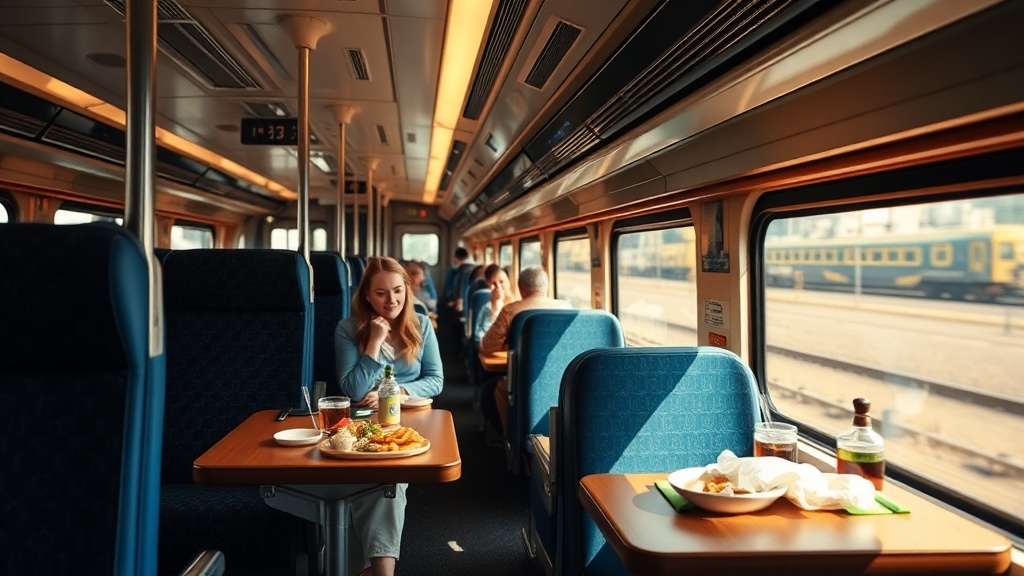
The dining car has its charm—white tablecloths, panoramic windows, the gentle sway of the car as you slice into an overpriced steak. But here is the reality: you are paying a premium for atmosphere, not nutrition. Smart packers treat the train like a mobile picnic, bringing foods that travel well and require minimal preparation.
Start with non-perishables that pack serious flavor. Hard cheeses—think aged cheddar or Manchego—stay fresh for days without refrigeration and pair beautifully with crackers or dried fruit. Smoked salmon packets, vacuum-sealed tuna, and single-serve hummus cups add protein without bulk. Dried mangoes, nuts, and dark chocolate satisfy sweet cravings while delivering sustained energy. Avoid anything too crumbly (your seatmates will thank you) or overly pungent (no one wants to smell your egg salad sandwich at 7 AM).
For longer trips, consider a small cooler bag. Most trains have ice machines or will provide ice upon request—just ask your attendant. This opens up possibilities: Greek yogurt for breakfast, pre-made grain salads with quinoa and roasted vegetables, or sliced deli meats rolled with cheese and greens. Pro tip: freeze a few water bottles solid before departure. They act as ice packs for the first day, then melt into cold drinking water as you travel. It is simple, efficient, and costs nothing extra.
How Can You Use Station Stops to Stock Up on Fresh Food?
Here is where experienced rail travelers separate themselves from the rookies. Every long-distance route has scheduled stops—some brief, some lasting twenty minutes or more. These are not just bathroom breaks; they are grocery opportunities.
Before your trip, research your route's major stops using resources like Seat61. Identify stations located near actual towns rather than remote sidings. Denver's Union Station sits blocks from a Whole Foods. Chicago's Union Station has a French market in the basement. Emeryville (the San Francisco stop) has a Trader Joe's within walking distance. Even smaller stops often have convenience stores or cafés right across the street—if you know where to look.
The key is preparation. Download offline maps of each station area before departure. Train WiFi is notoriously unreliable, and you do not want to waste precious minutes figuring out which direction to walk. Keep a small tote bag folded in your daypack for carrying purchases. Know exactly what you need—fresh fruit, sandwich ingredients, a decent bottle of wine—and move with purpose. Station stops are timed for crew changes and refueling, not passenger shopping sprees. Miss your train because you were browsing artisanal cheeses, and you have got a very expensive problem.
Some routes have longer "fresh air breaks" at scenic viewpoints or historic stations. The California Zephyr stops for extended periods in Glenwood Springs, Colorado—a charming town with excellent food options just steps from the platform. The Empire Builder pauses in Whitefish, Montana, where local vendors sometimes set up stalls for passing passengers. These are golden opportunities to stretch your legs and upgrade your meal situation simultaneously.
Is the Dining Car Ever Worth the Splurge?
I have been trashing dining car prices, so let me walk that back slightly. There are moments when the experience justifies the expense—if you are strategic about it.
Breakfast is usually your best value. Amtrak's traditional dining service (available on western routes) offers hearty morning meals—eggs, pancakes, bacon, coffee—for prices that compete with airport food and taste significantly better. The Empire Builder's breakfast service through the Montana Rockies, with snow-capped peaks sliding past your window, genuinely enhances the food. Dinner, conversely, tends to be overpriced for what you get: decent but uninspired steaks and salmon fillets dressed up with white tablecloths.
If you are traveling in a sleeper car, some routes include meals in your fare—but read the fine print. Amtrak's current policy on eastern routes provides complimentary "flexible dining" (pre-prepared meals heated onboard) rather than the traditional cooked-to-order service. It is... fine. Edible. You will not starve. But you will not remember it either, which is why having your own quality snacks matters.
Solo travelers face a unique dining car challenge: seating. Traditional dining car service seats strangers together at four-top tables. This can be delightful—you might share breakfast with a retired geology professor or a traveling nurse with stories that outshine the scenery. Or it can be awkward, trapped for ninety minutes with someone whose political views make your eye twitch. If you value solitude, stick to your roomette for meals or embrace the cooler bag approach.
How Do Dietary Restrictions Work on Trains?
Vegan? Gluten-free? Allergic to peanuts? Train travel requires extra planning, but it is entirely manageable.
Start by contacting the rail operator before booking. Amtrak accommodates special diets with advance notice, though options remain limited compared to airlines or hotels. VIA Rail's Canadian service offers vegetarian meals standard, with vegan and gluten-free options available on request. But here is the truth: even with advance arrangements, you are rolling dice on cross-contamination and ingredient quality in a tiny galley kitchen.
The self-catering approach shines here. When you control your food supply, you control your ingredients. Pack dedicated cutting boards and utensils if you have celiac disease. Bring protein powders or meal replacement shakes as insurance. Stock up on fresh produce during station stops—most fruits and vegetables require zero preparation and pose minimal contamination risks.
Water quality deserves mention too. Train tap water is technically potable but often tastes metallic or chemically treated. Bring a filtered water bottle (Brita and LifeStraw make excellent portable options) or purchase bottled water during station stops. Dehydration sneaks up on you in the dry, climate-controlled train environment—and headaches from bad water ruin scenic vistas faster than fog.
What About Alcohol and Specialty Drinks?
Train bars exist, and they are dangerously convenient. Nothing says "romantic rail travel" like a gin and tonic in the lounge car as the sun sets over the plains. But at eight to twelve dollars per drink, your bar tab can exceed your ticket price on a multi-day trip.
Most rail operators allow you to bring your own alcohol to consume in private accommodations—sleeping cars, roomettes, family bedrooms. The rules blur in coach, where policies technically prohibit BYOB in public spaces but enforcement varies. Discretion is your friend. Pour that wine into an insulated tumbler. No one needs to know it did not come from the café car.
Coffee deserves special attention. Train coffee is universally mediocre—burnt, weak, or both. Bring a portable French press or AeroPress (hot water is free and abundant) plus quality grounds sealed in airtight containers. For tea drinkers, a small thermos and your favorite loose-leaf solves everything. These small comforts separate bearable trips from genuinely enjoyable ones.
The best train meals combine practicality with pleasure. A perfectly ripe peach eaten while watching wheat fields blur past. A chunk of aged Gouda and crusty bread shared with a stranger who becomes a friend. A thermos of properly brewed coffee sipped as dawn breaks over the Rockies. These moments cost a fraction of dining car prices and taste better because you earned them—through planning, preparation, and the simple satisfaction of self-sufficiency. Your wallet stays thick. Your memories stay rich. That is how you travel by train.