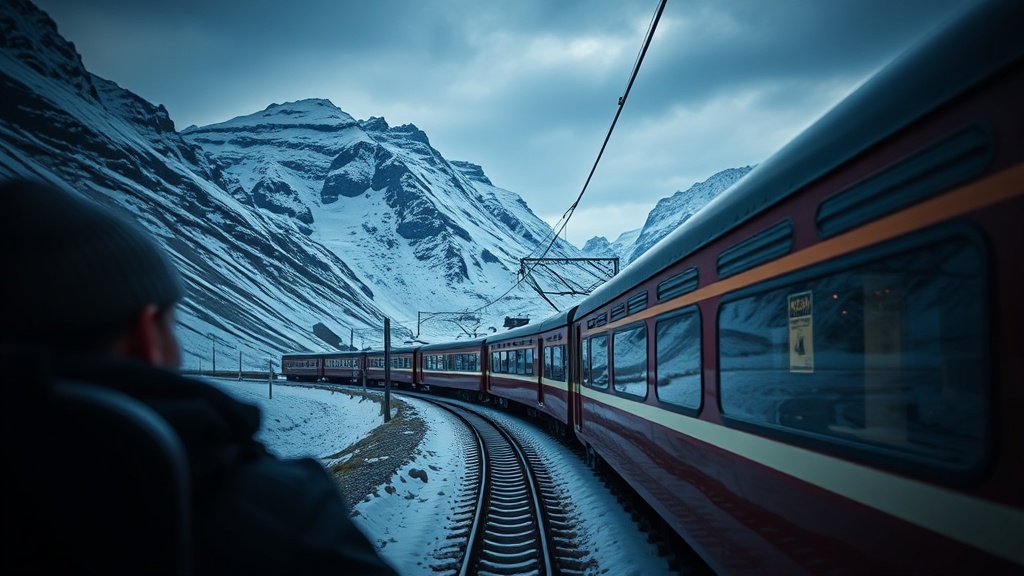
Sleeping Through the Swiss Alps on the Glacier Express

Is it actually worth paying the premium for a seat on the Glacier Express, or is it just a glorified sightseeing bus on rails? This post breaks down the logistics of the world's slowest express train, specifically focusing on the dining options, seat classes, and how to handle the transition from a daytime scenic tour to an overnight experience. You'll find the exact details on booking, the best times to ride, and how to manage your expectations regarding comfort and views.
How much does a ticket on the Glacier Express cost?
Ticket prices for the Glacier Express vary significantly based on the season and the class of service you select, typically ranging from 150 to over 250 Swiss Francs (CHF) for a one-way trip. You aren't just paying for a seat; you're paying for the specific window views and the specialized service that comes with the route between Zermatt and St. Moritz.
If you're looking to save a few bucks, you might consider standard regional trains through the same valleys, but you'll lose the panoramic windows that make the experience famous. Most travelers find the upfront cost worth it for the sheer ease of the trip. It's a long haul—roughly eight hours—so comfort matters.
When booking, keep in mind that a seat reservation is mandatory. You can't just show up with a standard Swiss Travel Pass and expect to hop on a panoramic carriage. You have to book the specific seat reservation through the SBB official website or via a tour operator.
| Class Type | Best For... | Key Feature |
|---|---|---|
| 1st Class | Solo travelers or couples | Extra legroom and quieter cabins |
| Excellence Class | Luxury seekers | Dedicated concierge and gourmet dining |
| 2nd Class (Standard) | Budget-conscious sightseers | Standard seating without panoramic windows |
The Excellence Class is the real deal if you have the budget. It includes a dedicated bar area and a meal that's actually quite sophisticated. It's not just a snack box. It's a full-blown dining experience while you're moving through the mountains.
What is the best time of year to ride the Glacier Express?
The best time to ride the Glacier Express is during the late spring or early autumn to avoid the extreme crowds and the heavy snow of mid-winter.
Here's the thing: the views are the entire point of this trip. If you go in February, you'll see a lot of white, which can sometimes wash out the scenery if the sun isn't out. If you want that high-contrast look—blue skies against deep green valleys—aim for June or September. It's a sweet spot for photography.
I've noticed that the crowds are much more manageable in the shoulder seasons. You'll have a better chance of getting a seat near the window without someone's camera blocking your view every five minutes. (And yes, people do use cameras in the aisles—it happens.)
- Spring (April–May): Melting snow, blooming flowers, and much lower prices.
- Summer (June–August): Peak scenery, but expect high heat and crowded platforms.
- Autumn (September–October): Golden hues and crisp air; arguably the most beautiful time.
- Winter (December–March): High-altitude drama and heavy snow, but shorter daylight hours.
Can you sleep on the Glacier Express?
No, you cannot sleep overnight on the Glacier Express because it is a daytime-only scenic service that runs between Zermatt and St. Moritz. There are no sleeper cars or overnight berths on this specific route; it is strictly a daylight journey designed for viewing the landscape through large panoramic windows.
If you were hoping to drift off to sleep while traveling through the Alps, you'll need to adjust your plans. This isn't a night train like the ones you might find traveling from Paris to Istanbul. It's an eight-hour marathon of sightseeing. You'll be awake for most of it, or at least you should be, if you want to see the Landwasser Viaduct.
That said, if you are traveling in the Excellence Class, the seats are incredibly comfortable. You can certainly nap if you're feeling fatigued, but the whole point is to look out the window. If you close your eyes, you're missing the best part of the trip. It’s a shame to pay that much for a ticket just to sleep through the most beautiful parts of the Swiss Alps.
If you actually want an overnight experience in the mountains, you should look into the Bernina Express or other Swiss-Italian routes that might offer different configurations. The Glacier Express is a daytime-centric event. It’s a slow-motion tour, not a transit-focused sleep service.
Pro-Tips for the Long Haul
Don't forget to pack a light snack, even if you're dining on board. While the food is excellent, the menu is limited. If you're in a standard seat, you won't have a table for a full meal, so having a small snack or a drink can make the time pass faster.
Also, watch your battery life. Even though there are power outlets in many of the newer carriages, they aren't always reliable. If you're planning on taking hundreds of photos (and you will), bring a portable power bank. You don't want your phone dying right as the train hits the most dramatic part of the gorge.
One more thing: the movement of the train is very smooth. It's not a bumpy ride. You can comfortably eat a meal or write in a journal without worrying about a spilled coffee. The engineering is top-tier, which is typical for Swiss rail. It's actually quite relaxing, provided you're not looking for high-speed travel. It's the opposite of a high-speed train; it's a slow, intentional movement through a mountain range.
If you're planning to stay in Zermatt or St. Moritz after the trip, make sure your luggage is handled efficiently. Most people use the SBB luggage service to send their heavy bags ahead to their hotel. It's a lifesaver. You don't want to be struggling with a massive suitcase in a narrow, moving train aisle while trying to enjoy the view.
The scenery changes constantly. One minute you're in a deep valley, the next you're crossing a high-altitude bridge. It's a rhythmic experience. If you're a fan of slow travel, this is the gold standard. If you're a person who hates sitting still, you might find the eight hours a bit grueling.
The light is everything. If you're sitting on the right side of the train or the left, it can change the way the light hits the valleys. I'd suggest checking the sun's position before you settle into your seat. It's a small detail, but it makes a huge difference in how your photos turn out. The shadows in the mountains can be quite deep, especially in the late afternoon.
Ultimately, the Glacier Express is about the destination as much as the journey. You're moving through some of the most iconic terrain on the planet. Whether you're looking at the glaciers or the tiny alpine villages, the scale of it all is hard to grasp until you're actually there, staring through that curved glass. It's a bucket-list item for a reason, even if it's a long one.