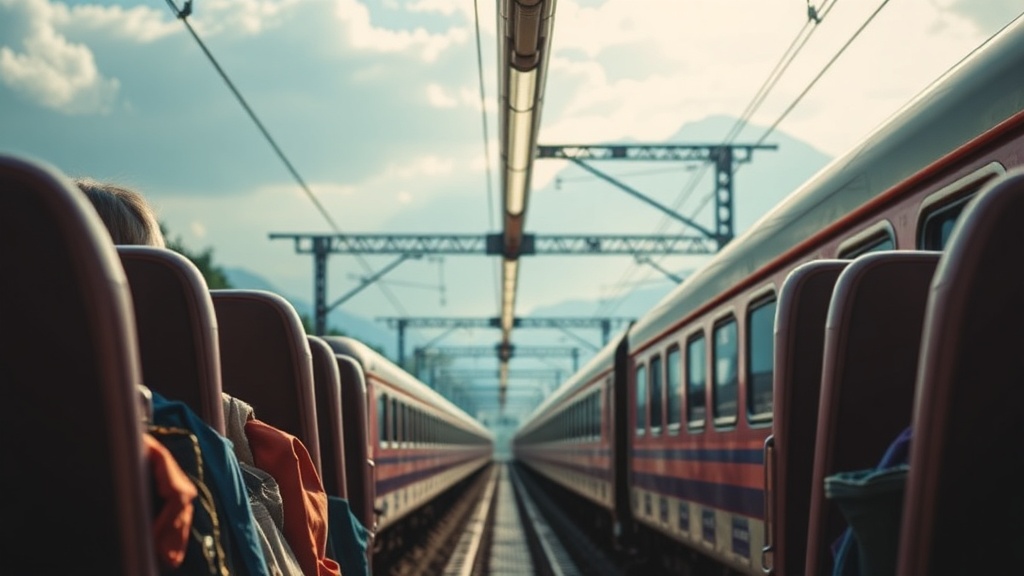
Packing Smart for Long-Distance Rail Travel

What to Bring for a Long-Distance Train Trip
You'll learn exactly how to pack a bag that works for the unique constraints of a moving train. This guide covers weight management, space-saving techniques, and the specific items that make long hours in a train seat much more comfortable. Proper packing isn't just about fitting clothes; it's about ensuring you can move through stations and narrow aisles without a struggle.
Traveling by rail involves a different set of physical challenges than air travel. You aren't just dealing with a single checked bag; you're often managing your own luggage through narrow corridors, up steep steps, and onto overhead racks. If your bag is too heavy or awkward, it becomes a burden the moment the train starts moving. You want items that are easy to grab and even easier to stow away when the train jolts or turns. A well-packed bag means less stress when the conductor asks you to clear the aisle.
One of the biggest mistakes people make is overpacking for the destination rather than the transit itself. While you want to look good when you arrive, your primary focus during the trip should be functionality. Think about how much room you'll have in your sleeper berth or under your seat. A massive suitcase is a nightmare in a compact cabin. Instead, aim for modularity. Use packing cubes to keep your belongings organized so you aren't digging through a messy bag in a dim train carriage while your neighbors watch.
Can I Carry Liquids on a Train?
The rules for liquids on trains are generally much more relaxed than those found at airports. You don't have to worry about the strict 100ml limit for a flight, which is a huge relief. However, you should still be smart about it. If you're traveling through multiple countries or using certain high-speed rail networks, keep an eye on local customs, but generally, you can bring your full-sized toiletries. I recommend a small, leak-proof toiletry kit. There's nothing worse than a bottle of shampoo popping open in your bag because of a sudden bend in the tracks.
For water, bring a sturdy, reusable bottle. Most major rail networks, especially in Europe and parts of North America, have water stations or at least easy access to water. You'll want to stay hydrated, especially if you're crossing time zones or spending days in a climate-controlled cabin. A vacuum-insulated bottle is a great choice because it keeps your drinks cold even if the cabin gets a bit warm during the day.
How Much Luggage Should I Bring?
The golden rule for rail travel is: if you can't carry it up three flights of stairs by yourself, don't bring it. Many smaller stations or older train platforms lack elevators. You might find yourself hauling your gear up a narrow staircase in a remote station. I suggest a backpack or a small rolling suitcase with sturdy wheels. If you're booking a sleeper car, a smaller duffel bag is often easier to tuck into the limited storage-space provided in the cabin.
Consider the following weight and size guidelines to stay organized:
- The Day Bag: A small, lightweight backpack for your electronics, books, and snacks.
- The Main Bag: A durable backpack or medium-sized suitcase that fits easily in an overhead bin.
- The Tech Pouch: A small, dedicated pouch for chargers, cables, and any adapters you might need.
Don't forget about your electronics. While many modern trains offer power outlets, they aren't always reliable or located near your seat. Bringing a portable power bank is a smart move. If you're planning to use your laptop or tablet for entertainment, make sure you have the right cables and perhaps a small travel adapter if you're crossing borders. You can check the current status of rail connectivity and amenities via the European Union rail information to see what to expect on your specific route.
What Essentials Are Best for a Train Cabin?
Your cabin is your temporary home. To make it feel more comfortable, bring a few items that cater to your personal comfort. An eye mask and earplugs are non-negotiable if you're sharing a compartment. Even if you have a private berth, the sounds of the tracks or a neighbor moving around can be distracting. A pair of noise-canceling headphones is another great investment for long stretches of travel.
Comfortable footwear is also vital. You'll be moving between your seat, the dining car, and the restroom frequently. Slippers or high-quality indoor shoes can make a huge difference when you're trying to relax in a confined space. Also, consider a lightweight scarf or a large shawl. Train temperatures can fluctuate wildly—one minute you're freezing in the air conditioning, and the next, the sun is beating through the window. Having an extra layer is much better than being caught without one.
If you're looking for detailed itineraries and specific train routes, the Amtrak site provides excellent information on what to expect regarding luggage and onboard amenities for North American routes. Always check the specific rules for your carrier, as some premium services have stricter baggage allowances than standard commuter lines.
Finally, keep a small kit of "just in case" items. A small sewing kit, some basic bandages, and a few pain relief tablets can save you a lot of trouble when you're miles away from a pharmacy. Being prepared allows you to focus on the view outside your window rather than a minor discomfort. The goal is to arrive at your destination feeling refreshed, not exhausted from a battle with your own luggage.